
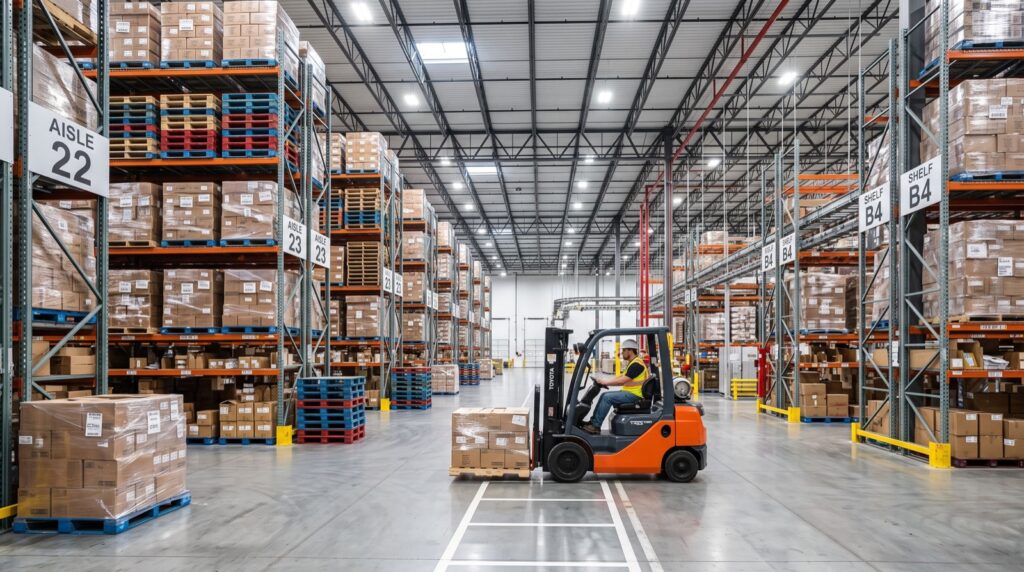
Business Inventory Storage in Saudi Arabia: A 2026 Guide for Growing Companies
Business inventory storage has become one of the smartest operational levers for Saudi companies in 2026. As e-commerce, retail, and food distribution expand across Riyadh, Jeddah, and Dammam, many owners discover that their shop backroom or garage simply cannot hold stock safely. The right storage solution protects your goods, frees your cash flow, and keeps your team focused on selling rather than shuffling boxes.
This guide walks through how modern warehousing works, which temperature category fits which product, and how to budget for a facility that grows with you. Whether you sell electronics, cosmetics, packaged food, or spare parts, the principles below apply.
Why Business Inventory Storage Matters More Than Ever
Vision 2030 has accelerated small and medium enterprise growth across the Kingdom. That growth creates a happy problem: more stock than space. Renting a full commercial warehouse is expensive and rigid, while a cramped office corner risks damage, theft, and disorganized fulfillment.
Dedicated storage sits neatly in between. You pay for the exact volume you need, scale up before a seasonal rush, and scale down afterward. You also gain professional security, climate management, and easier stocktakes.
- Cash flow: Convert a large lease into a flexible monthly cost.
- Protection: Guard sensitive goods from Saudi heat, dust, and humidity.
- Speed: Organized shelving means faster picking and fewer errors.
- Compliance: Food and pharma stock often require controlled conditions by law.
Matching Products to the Right Storage Temperature
Not all inventory tolerates the same environment. A single degree of drift can spoil perishable stock or warp electronics. This is where choosing the correct category becomes a technical decision, not a guess.
For refrigerated goods such as dairy, fresh produce, cosmetics with active ingredients, or certain medicines, a professional Chilled Storage solution keeps temperatures steady around the safe cold band without freezing the product. For non-perishable stock that only needs protection from heat and moisture, a well-managed Dry Storage facility offers a cost-effective home for pallets, cartons, and packaged goods.
How do I know which temperature category my stock needs?
Start with the manufacturer’s label. Most consumer goods list a recommended storage range. If your product mentions “keep refrigerated,” “store below 8°C,” or “protect from freezing,” you need a chilled environment. If it simply says “store in a cool, dry place,” dry storage will serve you well.
Comparing Storage Categories for Saudi Businesses
The table below summarizes common inventory types and the storage environment that suits them best. Use it as a starting point, then confirm specifics with your supplier.
| Storage Type | Typical Temperature | Best For | Key Benefit |
|---|---|---|---|
| Dry Storage | Ambient, humidity-controlled | Packaged goods, textiles, spare parts | Low cost, high flexibility |
| Chilled Storage | 0°C to 8°C | Dairy, produce, cosmetics, some medicine | Extends shelf life safely |
| Frozen Storage | -18°C and below | Meat, seafood, frozen meals | Long-term preservation |
| Ambient Storage | Room temperature | Electronics, documents, hardware | Stable, dust-protected space |
Setting Up Your Inventory Storage the Right Way
A good storage strategy is more than renting space. It is a system. Follow these steps to launch smoothly and avoid costly mistakes in your first quarter.
- Audit your stock. List every product, its volume, turnover speed, and storage requirement.
- Forecast peaks. Map seasonal spikes such as Ramadan, back-to-school, or national holidays.
- Choose the right category. Split perishable and non-perishable stock across chilled and dry zones.
- Label and barcode. Clear labels cut picking time and reduce fulfillment errors.
- Set reorder points. Track minimum thresholds so you never run out of best-sellers.
- Review quarterly. Adjust your rented volume as demand shifts.
When selecting a facility, insist on clear service levels, transparent pricing, and responsive support. Reliable operators act as true partners, and working with quality service providers saves you the headaches of downtime and spoiled stock.
What size storage space should a small business start with?
Begin lean. Rent slightly less than your absolute maximum and expand as you confirm real demand. Most growing SMEs start with a single unit or a few pallet positions, then add space once turnover data proves the need. Overcommitting early ties up cash you could invest in stock or marketing.
Security, Compliance, and Peace of Mind
Inventory represents real money, so protection is non-negotiable. Modern Saudi facilities offer 24/7 CCTV, access control, fire suppression, and pest management. For food and pharmaceutical stock, temperature logging supports audits and regulatory checks.
The Saudi Food and Drug Authority sets clear rules for storing regulated products. Before storing any food, cosmetic, or medical inventory, review the official guidance from the Saudi Food and Drug Authority to confirm your setup meets compliance standards. Getting this right early avoids penalties and product recalls later.
- Confirm temperature-logging is available for regulated goods.
- Ask about insurance coverage for stored inventory.
- Verify access hours match your fulfillment schedule.
Frequently Asked Questions
Can I mix chilled and dry goods in one contract?
Yes. Many providers offer multi-zone contracts, letting you store perishable items in chilled units and non-perishable stock in dry units under a single, simplified agreement.
How quickly can I access my inventory?
Reputable facilities offer scheduled or on-demand access, often within the same business day. Confirm access hours and any notice period before you sign so your fulfillment stays smooth.
Is business inventory storage cheaper than a full warehouse lease?
For most SMEs in 2026, yes. You pay only for the volume you use and avoid long leases, utility bills, and staffing costs that come with running your own warehouse.
What happens during peak seasons like Ramadan?
Plan ahead by reserving extra space before the rush. Flexible providers let you scale up temporarily and return to your baseline once demand normalizes, so you never overpay year-round.
Conclusion: Store Smarter, Grow Faster
Smart business inventory storage protects your products, sharpens your cash flow, and lets your team focus on growth. By matching each product to the correct temperature category, planning for seasonal peaks, and partnering with a compliant, secure facility, you turn storage from a cost into a competitive advantage.
If your Saudi business is outgrowing its current space in 2026, now is the time to act. Explore flexible chilled and dry storage options, request a quote, and set your inventory up for a stronger year ahead.