Solar Panels in Lahore: The 2026 ROI and Savings Breakdown
If you are weighing solar panels in Lahore, the real question on your mind is simple: how fast does the investment pay back, and how much will you actually save? This 2026 breakdown answers that with practical numbers, seasonal realities, and the factors that make the difference between a three-year and a six-year payback.
Lahore combines strong sunshine, high electricity consumption, and steep tariffs. That mix makes the city one of the most rewarding places in Pakistan to go solar, provided you size the system correctly.
What Drives the Return on Solar Panels in Lahore?
Three levers decide your payback period: your current bill, the system size, and whether you use net metering. The higher your grid tariff, the faster solar wins.
Lahore homes often run multiple air conditioners through long, hot summers, pushing monthly bills into expensive tariff slabs. Solar trims the most costly units first, which is exactly where the savings are richest.
Smog season brings a second consideration. Winter haze reduces output on the worst days, so a slightly larger array or a hybrid setup helps maintain year-round reliability.
Savings by System Size
The table below shows typical monthly savings ranges for Lahore households in 2026. Actual figures vary with usage and tariff slab, but the pattern holds: bigger systems offset more of your priciest units.
| System Size | Typical Monthly Saving | Roof Space Needed | Indicative Payback |
|---|---|---|---|
| 3 kW | Lower tier | ~180 sq ft | 4-5 years |
| 5 kW | Mid tier | ~300 sq ft | 3.5-4.5 years |
| 10 kW | High tier | ~600 sq ft | 3-4 years |
Larger systems usually show the shortest payback because they displace expensive peak-slab electricity. The sweet spot for most Lahore families sits between 5 kW and 10 kW.
How Net Metering Boosts Your ROI
Net metering is the single biggest accelerator of solar returns. You export surplus daytime energy to the grid and draw credit later, effectively using the grid as a free battery.
The economic case for distributed solar is well documented by bodies such as the International Renewable Energy Agency, which tracks falling technology costs worldwide. In Lahore, those lower costs combine with high tariffs to produce some of the best payback math in the region.
Do You Need Batteries in Lahore?
Not for savings alone. If your goal is purely financial, an on-grid system with net metering delivers the fastest return without battery expense.
Batteries make sense when outages disrupt your routine or business. Many Lahore households now choose a modest hybrid setup: enough storage to keep fans, lights, and internet running, without over-investing in capacity they rarely use.
Costs That People Forget to Budget
A headline system price rarely tells the full story. Build these items into your budget so your ROI estimate stays honest.
- Protection devices and quality cabling
- Net-metering application and bidirectional meter
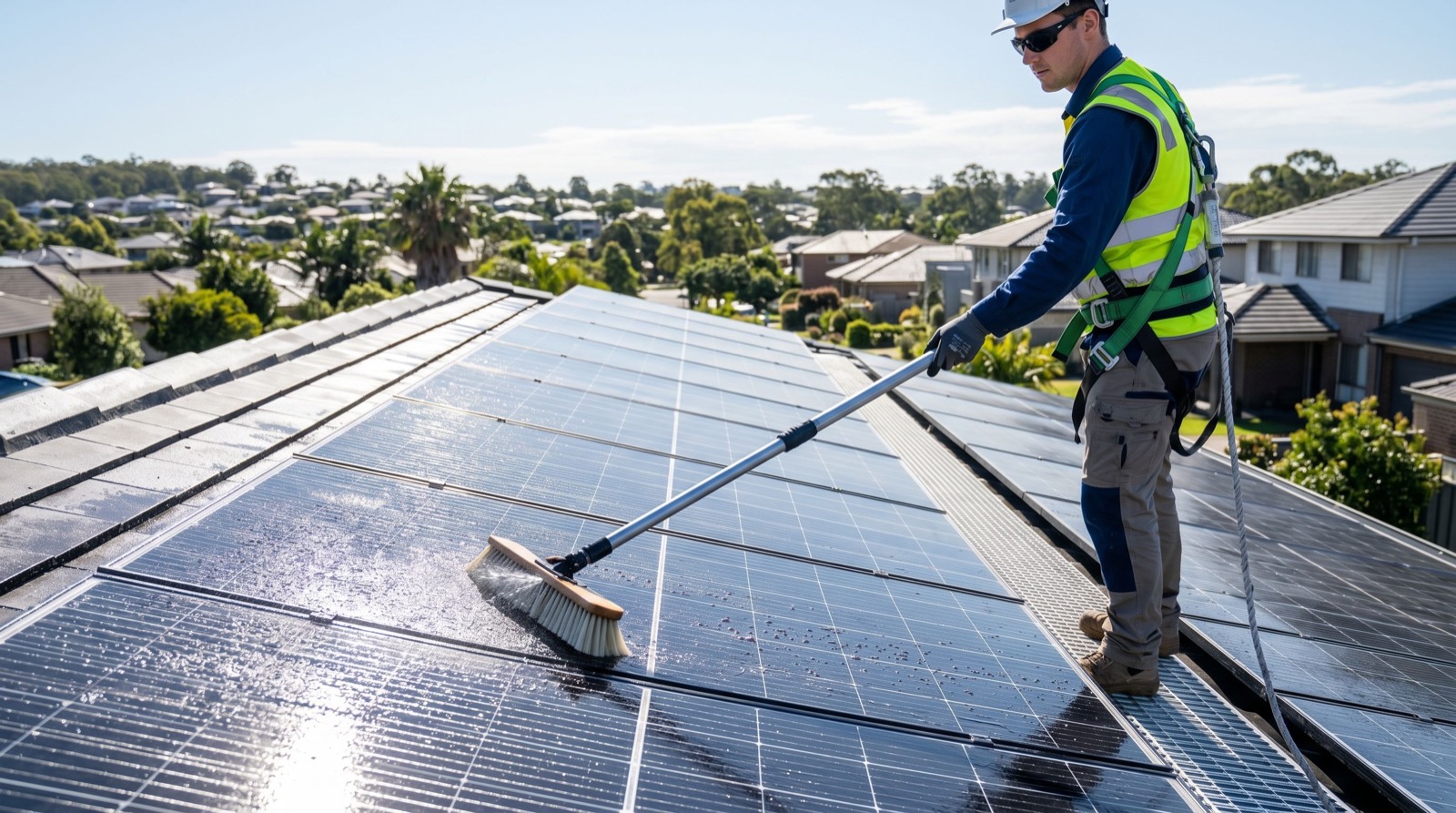
- Occasional panel cleaning during smog and dust season
- Structural reinforcement if your roof needs it
- Optional monitoring for performance tracking
None of these break the bank, but ignoring them makes a quote look cheaper than reality. A thorough installer lists them upfront.
Getting the Best Return: A Step-by-Step Plan
Follow this sequence to maximise savings and minimise risk.
- Gather a full year of electricity bills to understand seasonal swings.
- Size the array to cover your peak-slab usage, not just the average.
- Confirm net-metering eligibility and factor the credit into payback.
- Compare itemised quotes from at least two providers.
- Schedule installation before summer so you capture peak-season savings.
One field-tested tip: orient as many panels as possible toward the south and keep them clear of parapet shadows. In dense Lahore neighbourhoods, a few hours of afternoon shading can quietly erode years of returns.
Service quality also protects your ROI over time. Comparing the market shows pricing for solar installation in Karachi and other cities differs with local demand, so choose quality service providers who stand behind their work rather than the cheapest bidder.
Seasonal Performance Through the Lahore Year
Understanding how output shifts across the year helps you set realistic expectations. Spring and autumn usually deliver the strongest, most consistent generation, with clear skies and moderate temperatures.
Summer brings the longest days and your heaviest cooling load at the same time, so a well-sized array works hardest exactly when you need it most. Extreme heat slightly reduces panel efficiency, but the extra daylight hours more than compensate.
Winter is the one season that needs planning. Shorter days and smog reduce peak output, which is why net metering matters so much. The credit you bank during bright months offsets the leaner winter weeks, smoothing your savings across the full year.
Monsoon spells bring cloud and occasional storms, but they also wash dust off the panels. Many Lahore owners notice a brief output bump after the first good rain clears the accumulated grime.
Protecting Your ROI Over Time
A strong payback only holds if the system keeps performing. Treat the first year as a baseline, then compare each season against it using your inverter’s monitoring data.
Keep the panels clean during dusty and smoggy stretches, and schedule an annual professional check of connections and the inverter. Small, consistent maintenance preserves the returns that made solar attractive in the first place.
Also keep your net-metering account active and reconciled. Owners who review their bidirectional meter readings each billing cycle catch discrepancies early and ensure every exported unit earns its credit.
Frequently Asked Questions
How much can I save monthly with solar panels in Lahore?
Savings scale with system size and your tariff slab. A well-sized 5 kW to 10 kW system typically offsets a large share of a high summer bill, with the biggest cuts landing on peak-slab units.
Does Lahore smog hurt solar output?
Winter haze reduces output on the worst days, but annual production remains strong. Slightly oversizing the array and cleaning panels during dusty spells keeps performance reliable.
What is a realistic payback period in 2026?
Most Lahore systems pay back in three to five years. Higher usage, larger systems, and active net metering push you toward the shorter end of that range.
Can I expand my system later?
Yes, if the inverter and mounting are planned with headroom. Tell your installer you may add capacity so the initial design leaves room to grow.
The Verdict
For most households, solar panels in Lahore deliver a payback of three to five years and decades of savings after that. Size the system to your peak usage, activate net metering, and partner with a provider who supports the installation long term. Do that in 2026 and your rooftop becomes one of the best-returning assets you own. Request a tailored savings estimate and see your own numbers today.